
Description
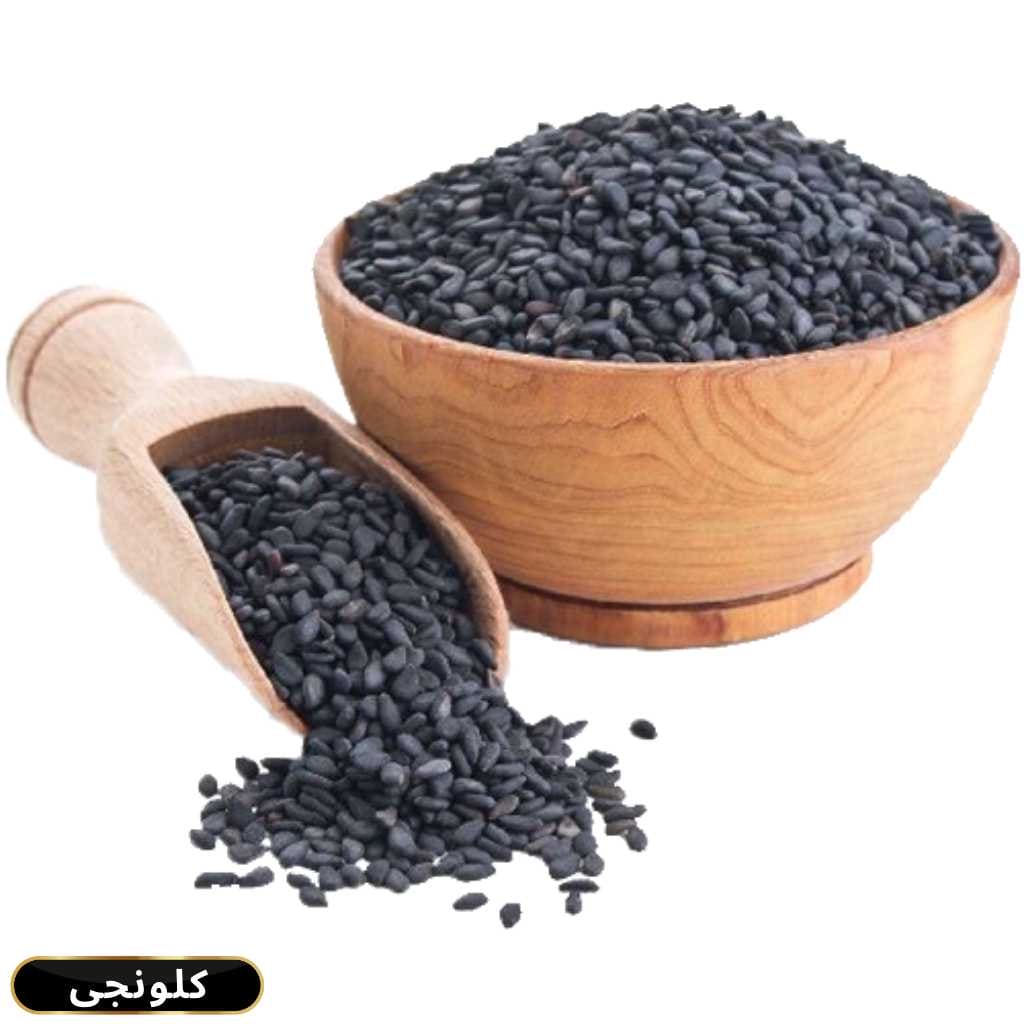
Where to Find Accurate Pricing Information for Nigella Seed in Pakistan You can find accurate pricing information for Nigella Seed in Pakistan at local markets, Khan Dry Fruit, wholesale suppliers, trade associations, and online marketplaces. Be sure to compare prices from different sources and do your research to ensure you are getting the best value for your money. Nigella seed, also known as black seed or kalonji, is a popular spice used in many cuisines around the world. It is obtained from the Nigella sativa plant, which is native to southwestern Asia and the Middle East. The small, black, triangular seeds have a slightly bitter taste and a pungent aroma, making them a versatile ingredient in both savory and sweet dishes. In this article, we will explore the history, cultivation, nutritional value, health benefits, and culinary uses of nigella seed. History Nigella seed has been used for centuries as a medicinal and culinary ingredient. It is mentioned in the Bible and was used by ancient Egyptians, Greeks, and Romans for its health benefits. In traditional medicine, nigella seed was believed to have anti-inflammatory, anti-diabetic, and anti-cancer properties. Cultivation Nigella sativa is an annual flowering plant that grows up to 20-30 cm tall. It is drought-tolerant and can grow in a variety of soil types. The plant produces white or pale blue flowers, which are followed by small, black, triangular seeds. The seeds are harvested by hand, dried in the sun, and then used as a spice. Nigella sativa is primarily cultivated in countries like India, Pakistan, Bangladesh, Egypt, and Saudi Arabia. In these countries, nigella seed is an important ingredient in many traditional dishes. Nutritional Value Nigella seed is a rich source of essential nutrients, including vitamins, minerals, and antioxidants. According to the United States Department of Agriculture (USDA), 100 grams of nigella seed contains: Energy: 345 kcal Protein: 16.7 g Fat: 35 g Carbohydrates: 7.9 g Fiber: 8.6 g Calcium: 931 mg Iron: 9.3 mg Magnesium: 390 mg Phosphorus: 531 mg Potassium: 1,983 mg Sodium: 88 mg Zinc: 4.6 mg Vitamin A: 0 IU Vitamin C: 0 mg Vitamin B6: 0.6 mg Folate: 87 µg Health Benefits Nigella seed has been traditionally used for its health benefits. In recent years, scientific studies have also confirmed many of these benefits. Here are some of the health benefits of nigella seed: Anti-inflammatory: Nigella seed contains thymoquinone, which has anti-inflammatory properties. It can help reduce inflammation in the body, which is linked to many chronic diseases, including arthritis, asthma, and heart disease. Antioxidant: Nigella seed is a rich source of antioxidants, which can help prevent oxidative damage to cells. This can reduce the risk of many chronic diseases, including cancer, diabetes, and heart disease. Anti-cancer: Nigella seed contains thymoquinone, which has been shown to have anti-cancer properties. It can help inhibit the growth of cancer cells and prevent the spread of cancer. Anti-diabetic: Nigella seed has been shown to help lower blood sugar levels in people with diabetes. It can also improve insulin sensitivity and reduce the risk of complications associated with diabetes. Anti-bacterial and anti-fungal: Nigella seed has been traditionally used to treat bacterial and fungal infections. Scientific studies have confirmed its anti-bacterial and anti-fungal properties. Immune-boosting: Nigella seed contains compounds that can help boost the immune system, which can help prevent infections and other diseases. Culinary Uses Nigella seed is a versatile ingredient that is used in many cuisines around the world. Here are some of the culinary uses of nigella seed: Indian Cuisine: Nigella seed is an essential ingredient in many Indian dishes, including curries, chutneys, and naan bread. It is often used in spice blends like garam masala and panch phoron. Middle Eastern Cuisine: Nigella seed is commonly used in Middle Eastern dishes, such as hummus, falafel, and shakshuka. It is also used as a topping for bread and pastries. North African Cuisine: Nigella seed is used in North African cuisine, particularly in Moroccan dishes like tagines and couscous. It is also used in spice blends like ras el hanout. Turkish Cuisine: Nigella seed is used in Turkish cuisine to flavor dishes like pilaf, meatballs, and börek (a type of savory pastry). Pickling: Nigella seed is often used in pickling, particularly in India and Pakistan. It adds a distinct flavor to pickled vegetables like onions, carrots, and cucumbers. Baking: Nigella seed can be used to flavor bread, pastries, and cakes. It is often sprinkled on top of breads like naan and pita to add flavor and texture. Recipes Here are some popular recipes that use nigella seed: Aloo Jeera (Potatoes with Cumin and Nigella Seed) Ingredients: 4 medium potatoes, peeled and cut into cubes 1 tsp cumin seeds 1 tsp nigella seeds 1/2 tsp turmeric powde..




Reviews
There are no reviews yet.